
Outdoor Surfaces Built for Daily Use
Hardscaping in Cameron for properties adding functional outdoor living areas or upgrading existing patios and walkways
Humidity and temperature swings in the Sandhills region cause certain paving materials to shift, crack, or retain moisture differently than in other climates. Sandhills Land Solutions installs patios, walkways, and outdoor features designed to handle these conditions, using base preparation methods that account for the sandy soil common throughout Cameron and neighboring areas. Proper hardscaping involves more than laying stone or pavers—it requires grading, compaction, and edge restraint that prevent settling and surface movement over time.
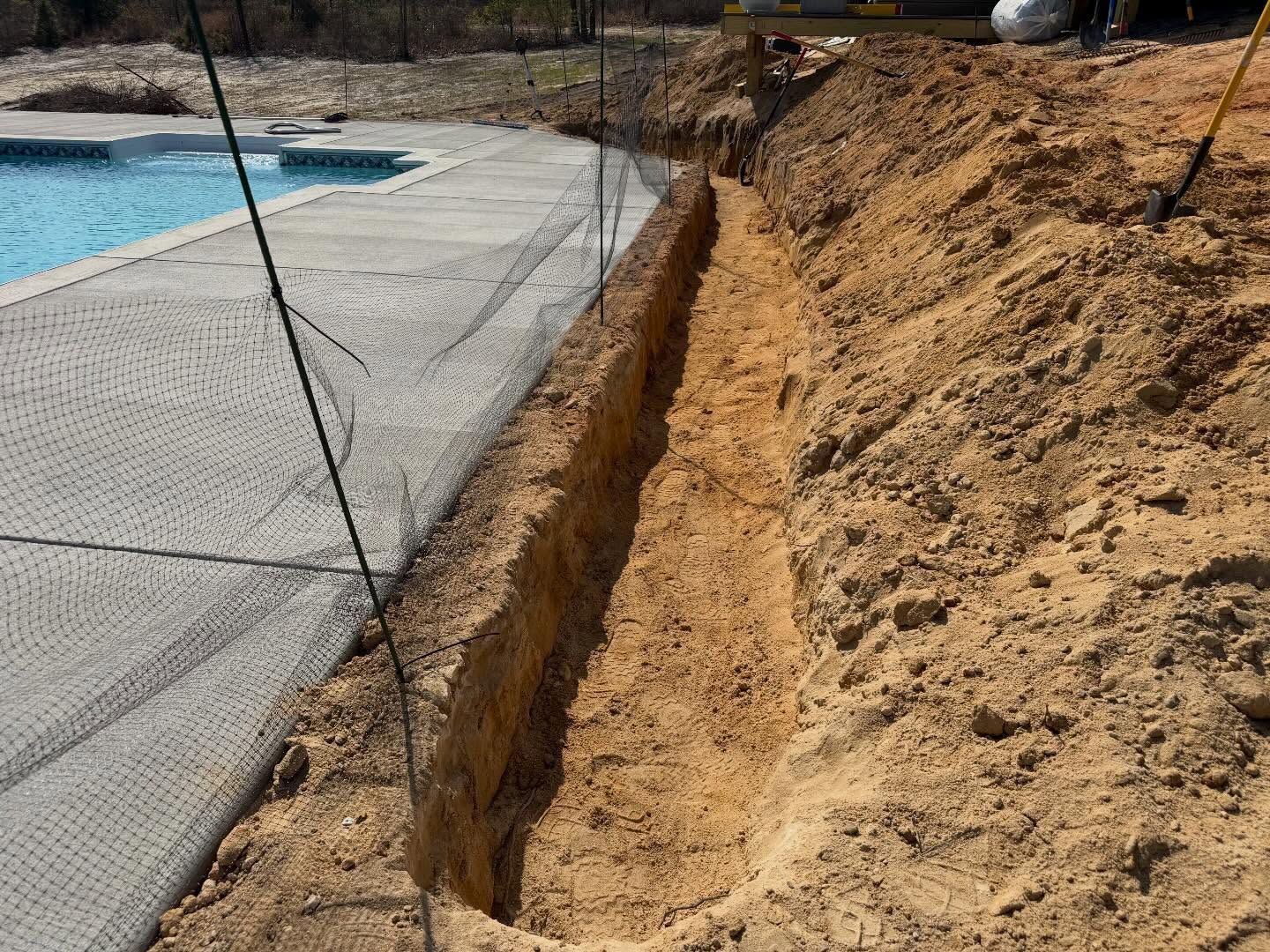
The installation process starts with excavating the area to the correct depth, then building a base layer that provides stability and drainage. This base gets compacted in lifts, with each layer checked before the next is added, since poorly compacted bases lead to uneven surfaces within the first year. Pavers or stone are then set with consistent joint spacing, and edge restraints lock everything in place to prevent outward creep.
Arrange an on-site consultation to review your property layout and discuss material options suited to your intended use.
Why Base Preparation Determines Surface Longevity
Most hardscape failures trace back to inadequate base work, not the surface material itself. The base must support the weight of foot traffic, furniture, or vehicles without compressing unevenly. In sandy soils, this means adding aggregate that interlocks under compaction, creating a stable platform that doesn't shift when water moves through it during heavy rain.
Once installation is complete, you'll notice a level surface that drains quickly without standing water, even after storms. The pavers or stone remain flush with each other, and edges stay aligned without bowing outward. Furniture sits stable without rocking, and the surface handles regular use without developing low spots or separation between units.
Hardscaping integrates with existing landscape features like planting beds, lawn areas, and drainage routes already established on your property. The design accounts for how water currently moves across the site, directing runoff away from the new surface and preventing erosion around edges. Some projects include steps, seating walls, or borders that define spaces and add functionality beyond the primary walking or gathering surface.
Common Questions About This Service
Homeowners often want to understand material choices, project timing, and what affects the installation process before starting work.
What materials work best for outdoor living spaces in this area?
Natural stone and concrete pavers both perform well when installed over a properly prepared base. Stone offers varied color and texture, while pavers provide uniform dimensions that simplify layout and replacement if a single unit gets damaged.
How does the existing property slope affect hardscape installation?
Grading adjustments are often needed to direct water away from the hardscape and prevent pooling. The crew evaluates drainage patterns during the site visit and incorporates slope into the design, sometimes adding catch basins or gravel channels to manage runoff from surrounding areas.
What happens to grass or landscape features where the hardscape will go?
Existing vegetation and topsoil get removed during excavation, and the area is cleared to the depth required for base material. If you're keeping nearby plants or trees, the crew works around root zones to avoid damaging established growth.
When is the best time to schedule hardscape installation?
Spring and fall offer moderate temperatures that make outdoor work more comfortable, but installation can proceed year-round in Cameron as long as the ground isn't frozen or waterlogged. Scheduling during dry periods reduces delays from weather and allows proper base compaction.
Why do some patios develop uneven sections or sunken pavers?
Insufficient base depth, poor compaction, or inadequate edge restraint allow the surface to shift under use. Properly installed hardscapes remain level because the base distributes weight evenly and edges prevent lateral movement that causes pavers to spread apart.
Sandhills Land Solutions works with you to design outdoor spaces that match your property's layout and intended use. Contact the team to discuss material options and receive a project estimate based on your site conditions.